Within the architecture of Teamfight Tactics (TFT), champion traits form one of the central structural mechanisms that govern systemic interactions between units on the battlefield. Rather than functioning merely as descriptive labels, traits operate as programmable rule modules embedded in each champion entity.
When activated through specific combinations, these modules introduce additional behaviors, statistical modifications, or conditional effects within the automated combat engine.
The design framework of traits establishes a network-based interaction model where the value of individual champions is determined not only by base attributes but also by their structural relationships with other units. Through this mechanism, the TFT system transforms individual units into interconnected components of larger operational compositions.
Examining this framework requires analysis of the defining characteristics of traits, the variations that appear across different iterations of the system, and the manner in which these mechanics integrate into the broader digital environment of TFT.
Main Characteristics
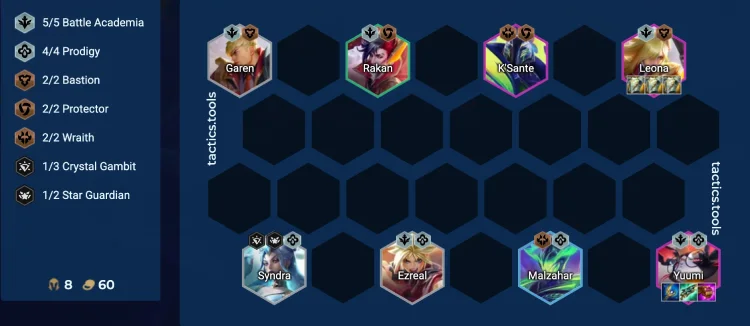
Champion traits in TFT are constructed as categorical identifiers assigned to units during system design. Each champion typically carries multiple trait tags, commonly representing an origin category and a class designation. These identifiers are not merely descriptive classifications; they function as activation keys for rule sets embedded within the game engine. When a predefined threshold of units sharing the same trait appears on the board, the associated rule module becomes active.
The structural logic behind these thresholds introduces a combinational architecture. Trait bonuses are rarely linear; instead, they activate in tiers that scale according to the number of qualifying champions present. This tiered activation system encourages the formation of compositions built around shared trait identities. From a systems perspective, the trait mechanism converts static unit placement into a dynamic interaction network where the presence of certain nodes triggers additional system behaviors.
Another defining characteristic lies in the modular independence of trait effects. Each trait operates as an isolated rule package, containing its own conditions, modifiers, and interaction parameters. This modular design enables the system to combine multiple trait effects simultaneously without generating conflicts within the simulation engine. A champion positioned within a composition may therefore contribute to several active traits, allowing layered interactions to emerge from relatively simple structural inputs.
Differences Among Versions or Implementations
The implementation of champion traits has undergone iterative modification across successive TFT sets. Although the underlying concept remains stable, the structural roles of traits evolve through adjustments to their effects, thresholds, and interaction complexity. Early versions of the system employed relatively straightforward stat modifications, where activated traits primarily increased attack speed, damage output, or defensive attributes.
Later iterations introduced more sophisticated mechanisms that altered battlefield behavior itself. Some traits modify targeting priorities, generate additional units, or introduce conditional triggers during combat resolution. These adjustments expand the functional scope of traits from passive statistical bonuses into dynamic behavioral frameworks embedded within the automated combat system.
Another variation appears in the relationship between traits and unit rarity. Higher-tier champions often possess traits that interact with specialized mechanics or rare rule modules. This relationship alters the distribution of strategic possibilities across the system without fundamentally changing the architecture of trait activation. The shared pool design ensures that traits remain part of a broader composition ecosystem rather than isolated mechanics tied to individual units.
Additionally, certain sets introduce unique structural elements such as temporary traits, augmentable traits, or traits influenced by external modifiers. These variations demonstrate the adaptability of the framework while preserving its foundational logic. The core principle remains consistent: traits operate as conditional system modules activated through unit composition thresholds.
Integration in Digital Systems
Within the broader digital architecture of TFT, champion traits function as an interface between player-driven configuration and automated combat resolution. The simulation engine evaluates trait activation during the preparation phase and then applies the resulting rule modifications throughout the battle sequence. This integration ensures that trait effects remain consistent and predictable across simulations.
From a programming perspective, each trait represents a structured rule object containing activation conditions, effect parameters, and interaction flags. When the engine detects that activation thresholds have been met, the rule object becomes active within the combat environment. The system then modifies relevant attributes or behaviors of affected units according to the defined parameters.
Trait interactions also influence the evaluation algorithms used during combat. For example, modifications to attack frequency, resource generation, or defensive mechanics alter the sequence of actions performed by units during the simulation loop. Because multiple traits can operate simultaneously, the engine must process layered modifiers while maintaining stable performance across numerous simultaneous encounters.
The framework additionally interacts with other components of the TFT system, including item modifiers and champion abilities. Trait effects may amplify or alter the impact of these systems, producing compound interactions that shape overall board performance. Despite these layered relationships, the trait architecture maintains modular independence, ensuring that individual rule sets remain manageable within the broader code structure.
Integration also extends to visual and informational systems within the interface. Trait icons, tier indicators, and activation displays communicate the structural state of compositions without altering the underlying logic. These representations function as external reflections of the internal rule framework rather than independent mechanics.
Conclusion
The champion trait system in TFT represents a foundational design framework that transforms individual units into interconnected components of a broader strategic architecture. Through categorical identifiers, tiered activation thresholds, and modular rule modules, traits establish the structural relationships that govern composition behavior.
Across multiple system iterations, the complexity and functionality of traits have expanded while preserving the same architectural principle: unit combinations activate conditional mechanics embedded within the simulation engine. These mechanics influence statistical attributes, combat behaviors, and interaction sequences during automated battles.
As a result, champion traits serve as the primary connective structure within the TFT ecosystem. They translate composition decisions into rule-based modifications that shape the emergent dynamics of each match. Within the auto-battler framework, this system provides the structural bridge between configuration and simulation, ensuring that the strategic arrangement of units directly informs the operational behavior of the battlefield environment.